<

Posts Tagged ‘moral development’

All Children Have Special Needs: How To Best Serve Them?

Posted in Adolescence, Altruism, Character, Citizenship, Creativity, Critical Thinking, Elementary School, For Community Leaders, For Educators, For Parents, Happiness, High School, Initiative, Internal Strengths, LD - ADHD, Leadership - Youth, Mentoring, Middle School, Positive Values, Positive Youth Development, Role Models, Social-Emotional Growth, Spirituality on January 21st, 2013 by Marilyn Price-Mitchell – 3 Comments

Children with Special Needs

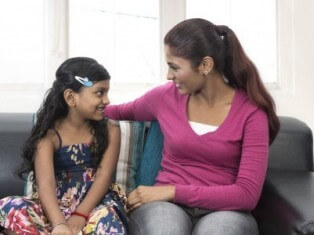
Do you parent, teach, or mentor a child with special needs? Of course you do!

As you know, the term special needs is most often associated with disabilities. It usually refers to a child who needs special assistance or accommodations for medical, psychological, or learning deficits.

But have we allowed the term special needs to create a cloud of darkness over children? Don’t all children have special needs? And can’t those special needs be sources of light and wisdom?

I raised a child with special needs, a daughter who was diagnosed with learning disabilities and ADHD. Of course, we gave her additional support and taught her how to advocate for her differences. But what most struck me from a developmental perspective was how much my daughter’s special needs were just like all of her peers.

The truth is that all children have special needs as they journey through childhood and adolescence. They feel awkward and different at times, insecure, and challenged by situations beyond their controls. read more »

Warning: Good Grades May Harm Student Health

Posted in Character, Compassion, Creativity, Critical Thinking, Elementary School, For Educators, For Parents, Grades & Testing, Happiness, High School, Initiative, Internal Strengths, Middle School, Positive Values, Positive Youth Development, School Reform on September 24th, 2012 by Marilyn Price-Mitchell – 15 Comments

With the beginning of each school year comes an opportunity to wipe the grade slate clean — to ramp up expectations for high academic achievement in our children.

Of course, there is nothing wrong with good grades. That is, unless the stress of getting an “A” causes children to fail at developing the kinds of abilities that matter much more than grades. Even for children who naturally perform well on academic tests, a good grade is only one measurement of success. A few things that school testing cannot measure include:

  • Open-Mindedness
  • Effort
  • Social & Emotional Intelligence
  • Critical thinking
  • Initiative
  • Creativity
  • Collaboration
  • Curiosity
  • Respect
  • Kindness
  • Capacity to love
  • Honesty
  • Compassion

Internal strengths, like those listed above, are far more important to a life of success and well-being than whether a child earns an “A” on an Algebra exam or are accepted to a top-rated university. In fact, many tests only measure a student’s ability to produce a correctly memorized answer. read more »

50 Best Back-to-School Articles for Parents

Posted in Achievement, Adolescence, Brain Development, Bullying, Character, Coaching Youth Sports, Education & Learning, Elementary School, Family-School Partnerships, For Parents, Gifted Children, Grades & Testing, Happiness, High School, Internal Strengths, LD - ADHD, Middle School, Positive Values, Positive Youth Development, Praise, Pre-School, Research to Practice, School Reform, Social-Emotional Growth, Sports, Technology on August 21st, 2012 by Marilyn Price-Mitchell – 29 Comments

What’s your parenting mindset as your children return to school? In addition to getting your student ready, back-to-school is also a time when most parents revisit strategies that help support their children during the academic year.

As a writer and researcher with a passion for positive youth development, I regularly connect with educators and psychologists who write superb articles for parents.

These authors share the latest thinking and research on learning, achievement, family well-being, parent engagement, special needs children, youth sports, media, technology, discipline, homework, bullying, and much more.

As your children get resettled into the school routine, take some time for yourself – to reflect on your own values about education and how you can more intentionally support your children.  I’ve compiled what I believe are some of the best recent articles for parents – from a variety of reputable bloggers. The list is divided by topic and I’ve put a short summary of what you will find in each one. read more »

Teacher David McCullough Jr. Delivers “Special” Commencement Address

Posted in Achievement, Adolescence, Altruism, Character, Compassion, Education & Learning, Educators, Happiness, High School, Initiative, Internal Strengths, People Profiles, Positive Values, Spotlight on Age Groups on June 12th, 2012 by Marilyn Price-Mitchell – 4 Comments

When David McCullough Jr. delivered the commencement address at Wellesley High School in Massachusetts this week, it turned out to be more special than anticipated. Why?

Because McCullough was gutsy enough to speak words rarely heard by teenagers. “You are not special,” he said. “You are not exceptional.”

As he went on to fully describe how graduates had been pampered and fawned over by adults, he spoke a great truth: “If everyone is special, then no one is. If everyone gets a trophy, trophies become meaningless.”

A teacher of 26 years, David McCullough Jr. put in words what many educators and psychologists have been preaching for years, that education should be about learning, not about gaining material advantage. Without using the term social justice, he talked to graduates about the responsibilities of privilege, inviting them to experience the selflessness and joy that comes with the “recognition that you’re not special. Because everyone is.” read more »

The Role of Heroes in Children’s Lives

Posted in Character, Compassion, Creativity, Critical Thinking, Elementary School, Failure & Mistakes, For Educators, For Parents, High School, Initiative, Internal Strengths, Mentoring, Middle School, Positive Values, Positive Youth Development, Pre-School, Research to Practice on May 7th, 2012 by Marilyn Price-Mitchell – 8 Comments

For thousands of years, heroic stories have been used to inspire, motivate, and transfer cultural values to children. The stories have a common pattern.

They begin with a likeable hero who encounters a challenge or roadblock in life. And then, with the help of others, the hero emerges from the difficult situation transformed by his or her experiences.

Heroic stories are found everywhere in modern media.

Beautiful Snow White is protected from the wicked queen by the seven dwarfs. Her life is threatened when the queen, disguised as a peddler, finds Snow White and poisons her with an apple. Rescued by the Prince, she is transformed by true love.

In Avatar, Jake Sully is a paralyzed ex-Marine who has an opportunity to walk again through a proxy Na’vi body in the world of Pandora. But he encounters an unexpected challenge. He falls in love with a Na’vi woman, Neytin, and is forced to choose sides in an epic battle between the humans and the Na’vi people. With the help of many, Jake’s leadership prevails and the humans are defeated. Jake is permanently transformed in a Na’vi body where he lives the rest of his life with Neytin. read more »

Teacher Profile: Steve Reifman Fosters “Habits of Character” in Children

Posted in Character, Educators, Elementary School, For Parents, For Teachers, Internal Strengths, Middle School, People Profiles, Positive Values, Positive Youth Development, Resource & Book Reviews on March 12th, 2012 by Marilyn Price-Mitchell – Be the first to comment

Steve ReifmanMeet Steve Reifman, author of a new book that should be owned by every teacher and parent, particularly those who guide elementary and middle-school-age children.

Developing character in children is complex. So much so, we don’t often think of easy, everyday actions that make a difference in children’s lives. Steve’s book, Changing Kids’ Lives One Quote At A Time: 121 Inspirational Sayings To Build Character In Children provides a simple framework that helps kids talk about meaningful concepts.

What I most like about Reifman’s book is that it doesn’t teach kids what to think, it teaches them how to think! His approach helps adults become good facilitators — inviting kids into conversations where they discover gems of meaning for themselves. All of this is accomplished through the power of quotes!

Steve Reifman, a National Board Certified elementary school teacher, author, and speaker was kind enough to answer my questions about his book and his approach to teaching kids what he calls “habits of character” in our interview below. read more »

Teachers Change Lives through Mentoring & Service-Learning

Posted in Altruism, Character, Compassion, Critical Thinking, Elementary School, For Community Leaders, For Educators, For Parents, High School, Internal Strengths, Leadership - Youth, Mentoring, Middle School, People Profiles, Positive Values, Positive Youth Development, Research to Practice, Service-Learning, Spotlight on Age Groups, Youth on January 20th, 2012 by Marilyn Price-Mitchell – 7 Comments

When President Obama gave his annual “Back-to-School” address in 2011, he praised three extraordinary high school students for giving back to their communities. One was Jake Bernstein.

Jake is 17, [pictured at left] who volunteers with Autism Speaks and co-launched StLouisVolunteen.com with his sister Simone. He is also on the Youth Advisory Board of generationOn, a national effort to inspire, equip, and mobilize youth to change the world and themselves through service. The President urged students to become engaged in their communities, saying “America needs your passion, your ideas, and your energy….Nothing inspires me more than knowing that young people all across the country are already making their marks.”

What the President did not say should come as no surprise to educators. Teachers play a significant role in fostering the passion, ideas, and energy that motivates students to become engaged in their communities. This meaningful and important work happens every day in and outside of K-12 classrooms. read more »

The Gift of Giving: How the Holidays Shape Children’s Identities

Posted in Altruism, Character, Compassion, Elementary School, For Parents, Happiness, High School, Internal Strengths, Middle School, Positive Values, Positive Youth Development, Pre-School, Research to Practice, Service-Learning, Social-Emotional Growth, Spirituality, Spotlight on Age Groups on November 21st, 2011 by Marilyn Price-Mitchell – Be the first to comment

The holidays are here — with sparkling lights, glittering trees, and magical store displays.

But as we look beyond the external, the research on child and adolescent development tells us something very important about what happens in children’s internal worlds. It’s a season that shapes their lifelong identities about giving. What are you doing this year to help children and teens internalize the gift of giving?

Of course, children associate the holidays with being receivers of gifts. But according to studies in human development, it is the giving of gifts that reaps the biggest psychological rewards. Parents can help children and teens realize these rewards by teaching them how to give back during the holiday season and throughout the year. There are many ways to give back, including through the excellent projects listed below. read more »

How to Instill Compassion in Children

Posted in Character, Citizenship, Compassion, Elementary School, For Community Leaders, For Educators, For Parents, Happiness, Middle School, Positive Youth Development, Service-Learning, Social-Emotional Growth, Spirituality on October 10th, 2011 by Marilyn Price-Mitchell – 3 Comments

How do children learn to feel connected to their communities and know they can make a difference in the world?

The answer isn’t as complex as it might seem. Like many college students who became committed to social and environmental causes, Danielle talked about developing compassion at a young age. When her father took her to visit nursing homes as a child, Danielle said, “I could see how much people were hurting there and how they appreciated our presence. Learning compassion for people I didn’t know is something that’s stuck with me.”

Developing compassion in elementary and middle school-aged children is akin to developing muscle strength. The more you use your muscles, the stronger they get. Children who participate in programs that teach kindness, respect, empathy, and compassion and who have families that reinforce those strengths at home develop the muscles they need to become civically-engaged adolescents and adults. During the teen years, they reach deep within themselves, access these muscles, and develop social and civic identities that last a lifetime. read more »